Engine repair in Carrollton for European and luxury cars
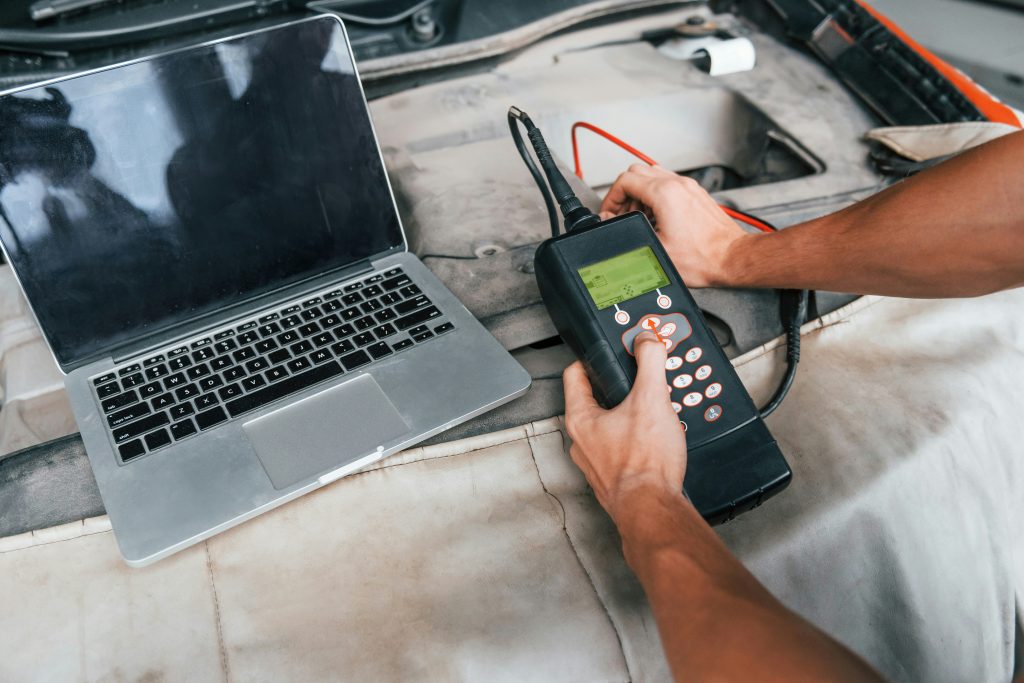
Oil leaks, timing chains, misfires and carbon buildup, traced with brand-specific scan tools and explained in plain English before you approve a thing.
- 5.0 on Google
- 36-month / 36,000-mile warranty
- ASE-certified technicians
KJLux Auto in Carrollton repairs engines on Audi, BMW, Mercedes-Benz, Porsche, Land Rover and other luxury cars. That covers oil leaks, timing chains and guides, misfires, carbon cleaning on direct-injection engines and coolant that disappears without a leak. ASE-certified technicians diagnose first, and you get an itemized written estimate before any work starts.
What engine repairs do luxury cars need most?
Most engine work on a modern luxury car falls into 5 groups: oil leaks, timing chain wear, misfires, carbon buildup and coolant loss. Nearly all of them give warning first, like a burning-oil smell after a drive, a few seconds of rattle on a cold start or a rough idle at a red light on Belt Line Road.
These engines are packed tight, and plenty of jobs mean removing intake parts, cooling components or even the front subframe just to reach a gasket. So we diagnose first and quote second. We review the scan data and the physical evidence, show you the codes, and separate what needs attention now from what can wait.
If a warning light brought you in, our check engine light diagnosis page explains how we trace a code to its cause. Repairs use OEM or OEM-equivalent parts that meet manufacturer specifications, with genuine OEM parts on request.
What are the signs your engine needs repair?
- Oil spots on the garage floor or a wet, grimy engine underside
- A rattle for a few seconds on a cold start that fades as oil pressure builds
- Rough idle, shaking or a flashing check engine light
- Hesitation or lost power when merging
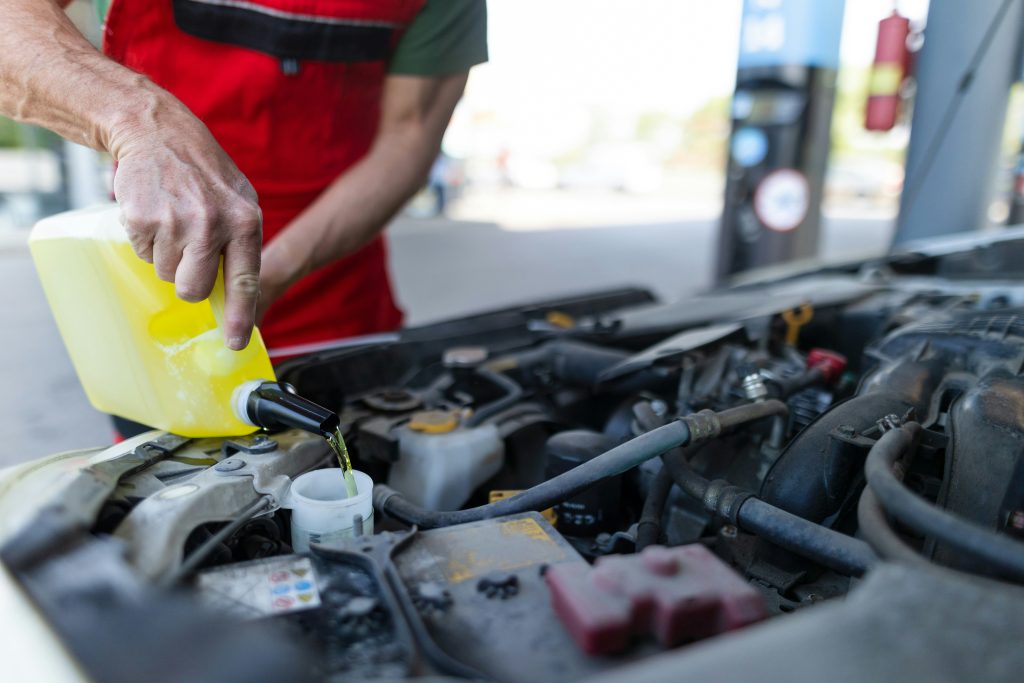
- Coolant level dropping with no puddle under the car
- White exhaust smoke with a sweet smell, or milky residue under the oil cap
What does engine repair at KJLux cover?
Oil leak repair
Valve cover, oil filter housing and oil pan gaskets, plus rear main seals. Oil spreads as it runs down the engine, so we trace each leak to its true source before quoting.
Timing chains and guides
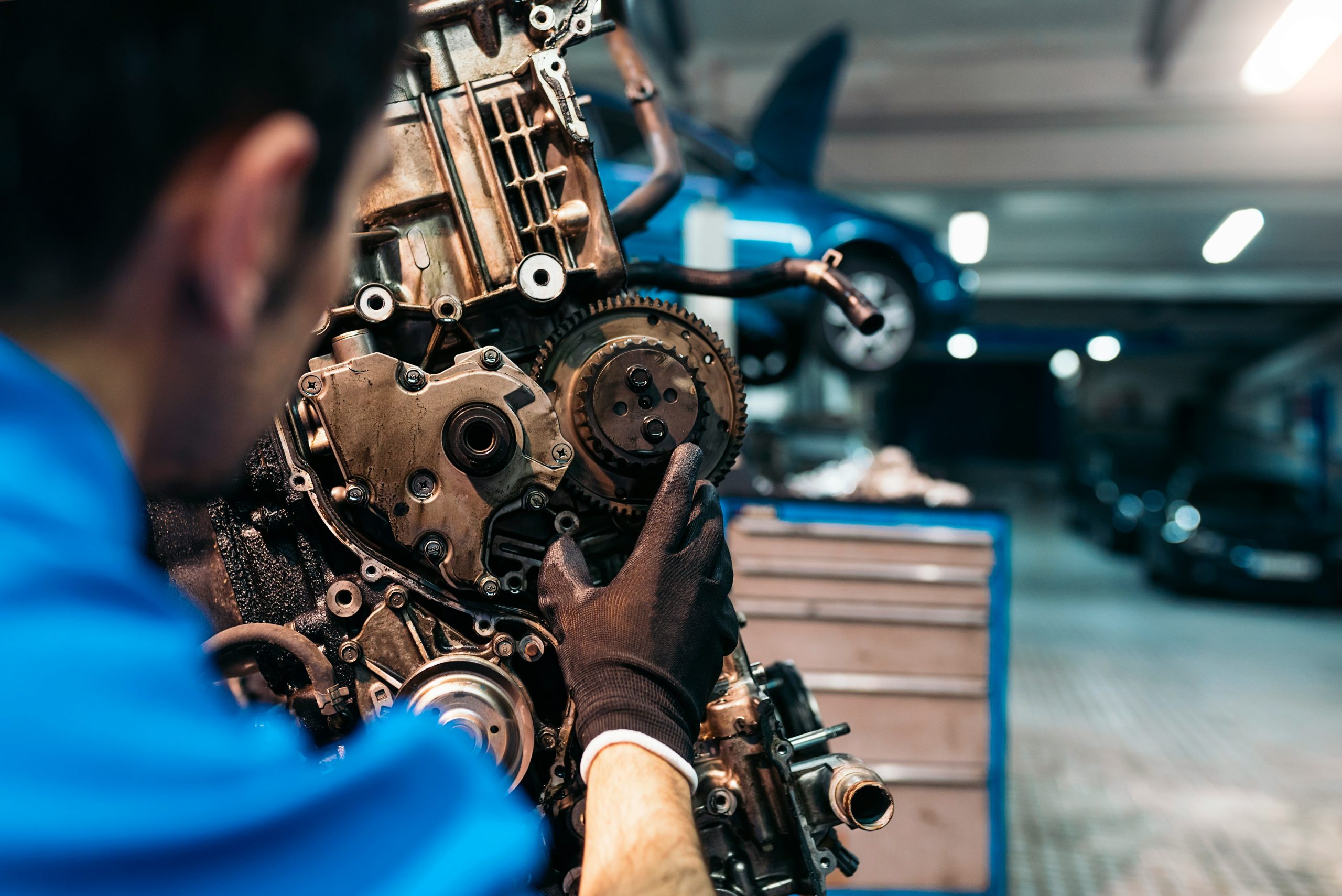
Worn chains, tensioners and plastic guides that let the chain slap or jump a tooth, confirmed with cam and crank correlation data before the engine comes apart.
Carbon cleaning
Direct-injection engines spray fuel straight into the cylinder, so nothing washes the intake valves. When carbon cakes on, we remove the intake and clean the valves directly.
Misfire repair
Coils, plugs, injectors, vacuum leaks and crankcase ventilation faults, pinned down with cylinder-specific misfire data instead of guesswork.
Hidden coolant loss
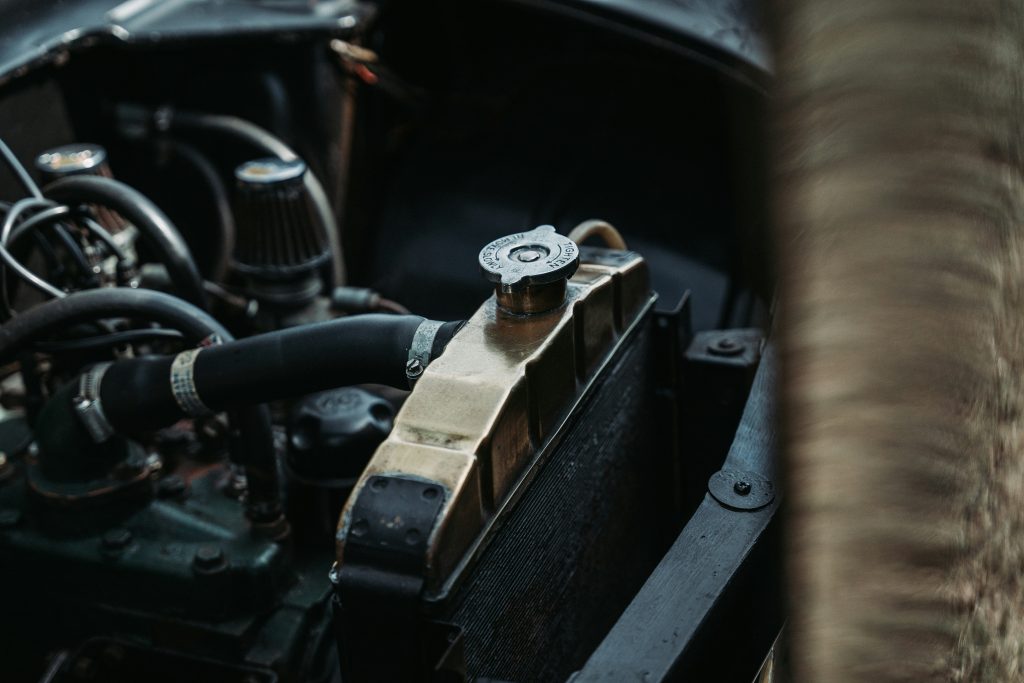
A pressure test, a combustion gas check and a cylinder leak-down test show where coolant goes when there is no puddle.
Performance and drivability
Sensors, throttle bodies, boost leaks on turbocharged engines and other faults that leave the engine stumbling or down on power.
Which engine problems are common by brand?
BMW
Oil filter housing and valve cover gasket leaks are common on the N52, N54, N55 and N20 engines. The 4-cylinder N20 is also known for timing chain guide wear.
Audi
First- and second-generation EA888 2.0T engines are known for timing chain tensioner failures. Direct-injection 2.0T and 3.0T engines also build carbon on the intake valves.
Mercedes-Benz
Mid-2000s M272 V6 and M273 V8 engines are known for balance shaft and idler gear sprocket wear, usually flagged by camshaft correlation codes.
Porsche
Rear main seal leaks are common on the M96 and M97 flat-6 engines in older 911, Boxster and Cayman models. Replacing the seal means separating the engine and transmission.
MINI
The N14 turbo engine in 2007 to 2010 Cooper S models is known for cold-start timing chain rattle. Keep the oil level up, since the tensioner relies on oil pressure.
We also do this for
How much does engine repair cost in Carrollton?
The price depends on which part failed and how much of the engine has to come apart to reach it. A valve cover gasket can be a short job, while a rear main seal means pulling the transmission, so we quote after diagnosis, never before.
In most cases the diagnostic fee is applied to the repair if we do the work, and your free estimate is itemized line by line. Holding a dealer estimate for the same job? Our policy is simple: Bring us a written dealer quote and we'll beat it. Book an engine repair visit or text (469) 289-1291.
Warranty. Internal engine repairs, such as timing chains, and their gaskets and seals are excluded from our 36-month/36,000-mile warranty, while engine performance, drivability, ignition and fuel system repairs are covered categories. Coverage depends on the repair; see the warranty terms or ask before you approve.
Guides on this topic
Engine repair questions
Is it safe to keep driving with an engine oil leak?
For a short time, usually, but not indefinitely. A slow seep is mostly a mess, while oil dripping onto a hot exhaust or soaking engine mounts and hoses is a fire risk and shortens their life. Check the oil weekly until it is fixed, and book a visit if you smell burning oil.
What does a timing chain rattle sound like?
It is usually a metallic rattle or slap for a few seconds after a cold start, which goes quiet once oil pressure builds. It tends to get longer and louder over time. Don't wait it out: on many modern engines, a chain that jumps a tooth can let the pistons hit the valves.
How often do direct-injection engines need carbon cleaning?
There is no fixed interval. Buildup depends on the engine design and how the car is driven, and frequent short trips tend to speed it up. We recommend cleaning when the evidence calls for it, such as misfire counts, a rough cold idle or what we see on the valves, not a round number on the odometer.
Why is my engine losing coolant with no visible leak?
The coolant is going somewhere you can't see: into the combustion chambers, into the oil, or off as vapor from a hot part. A failing head gasket or cracked head are the serious possibilities, though a seeping water pump can hide too. Pressure and combustion gas tests narrow it down.
Is a flashing check engine light an emergency?
Yes, treat it as one. A flashing light means the engine is misfiring badly enough to overheat and damage the catalytic converter. Ease off, avoid hard acceleration and get the car checked as soon as you can. A steady light is less urgent, but it still deserves a scan soon.